


You can grow margins on Shopify in plenty of ways, but if your Shopify COGS are high, every one of those gets harder.
Your ads have to perform better just to break even. Free shipping gets harder to offer. Discounts start to cut into money you don’t have. Even a top seller can quietly turn into a weak-margin product once every cost is counted.
Lower COGS opens everything back up. More profit stays with you, your ads break even sooner, and there’s more budget to grow with. It’s a growth lever, not just a cost cut.
In this guide, we’ll look at why lowering COGS matters so much for your store, and walk through 5 practical ways to do it.
Why Lowering COGS Matters More Than You Think
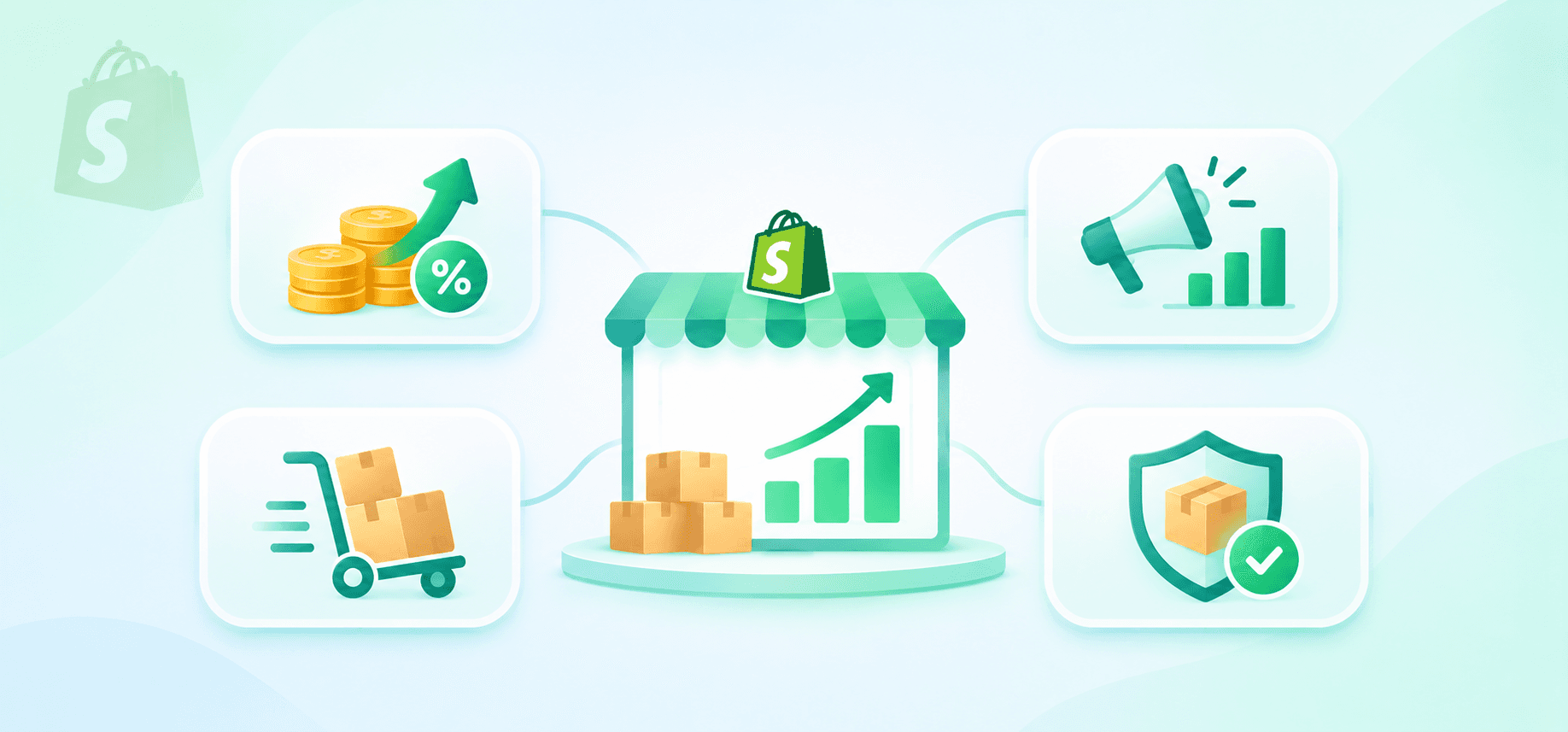
COGS is often treated as a fixed cost of doing business, something you set once with a supplier and only revisit when prices move against you. But every dollar you cut from COGS flows straight to the bottom line. Here is what actually shifts when you bring that number down.
Multiplier Effect on Gross Margin
A small cut in COGS does not translate into a small gain in profit, it multiplies. If your gross margin sits at 40%, cutting 10% off your product cost can lift it by several points, and that lift lands on every unit you sell from that point on. Every dollar you take out of COGS is a full dollar of gross profit. A COGS cut delivers the same gain without the extra load, and the margin stays locked in on every future sale, compounding quietly across the year.
Unlocks Your Marketing (ROAS) Flexibility
Lower COGS lowers your break-even ROAS. When each unit costs less to make, you can afford to pay more to acquire the customer who buys it. Campaigns that were marginal suddenly become profitable, and the ones already working get more room to scale. You stop choosing between growth and margin, and start running ads with real breathing room against POAS and CAC.
Transforms Cash Flow and Inventory Velocity
Cheaper inventory means less cash tied up in every reorder. The same working capital buys more units, moves through faster, and frees up cash sooner for ads, new SKUs, or the next inventory cycle. Over a year, that velocity compounds. You can run leaner, restock more often, and avoid the cash crunches that force discounting at the wrong time.
Defends Against Supply Chain Shocks
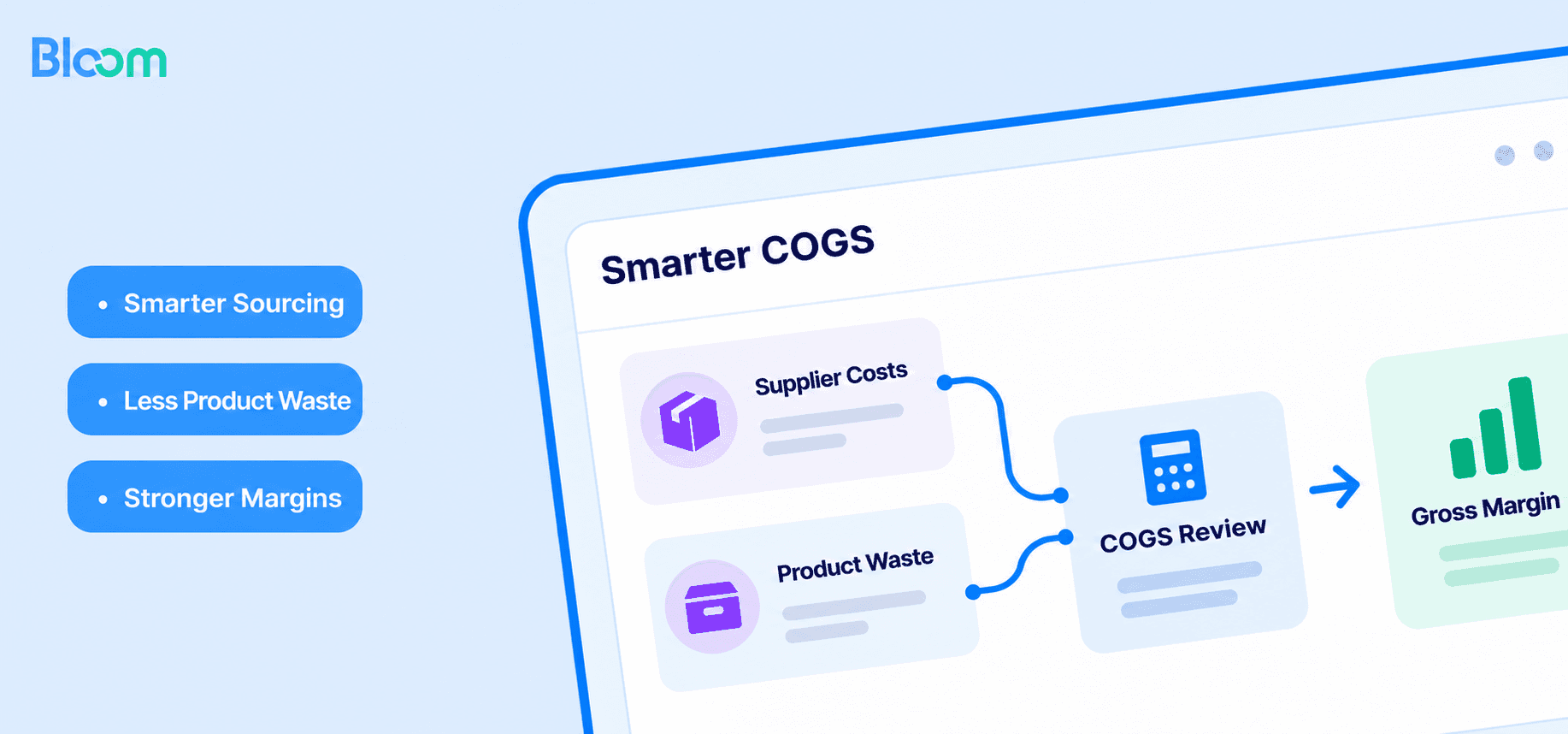
Tariffs, freight hikes, raw material price jumps, and currency moves hit your product cost directly, and a store on thin margins can slip into losses overnight. Keeping COGS low widens the gap between your selling price and your product cost, and that gap is your safety net. When costs rise upstream, they eat into that gap first before touching your profit.
Best Ways to Lower COGS and Improve Profitability
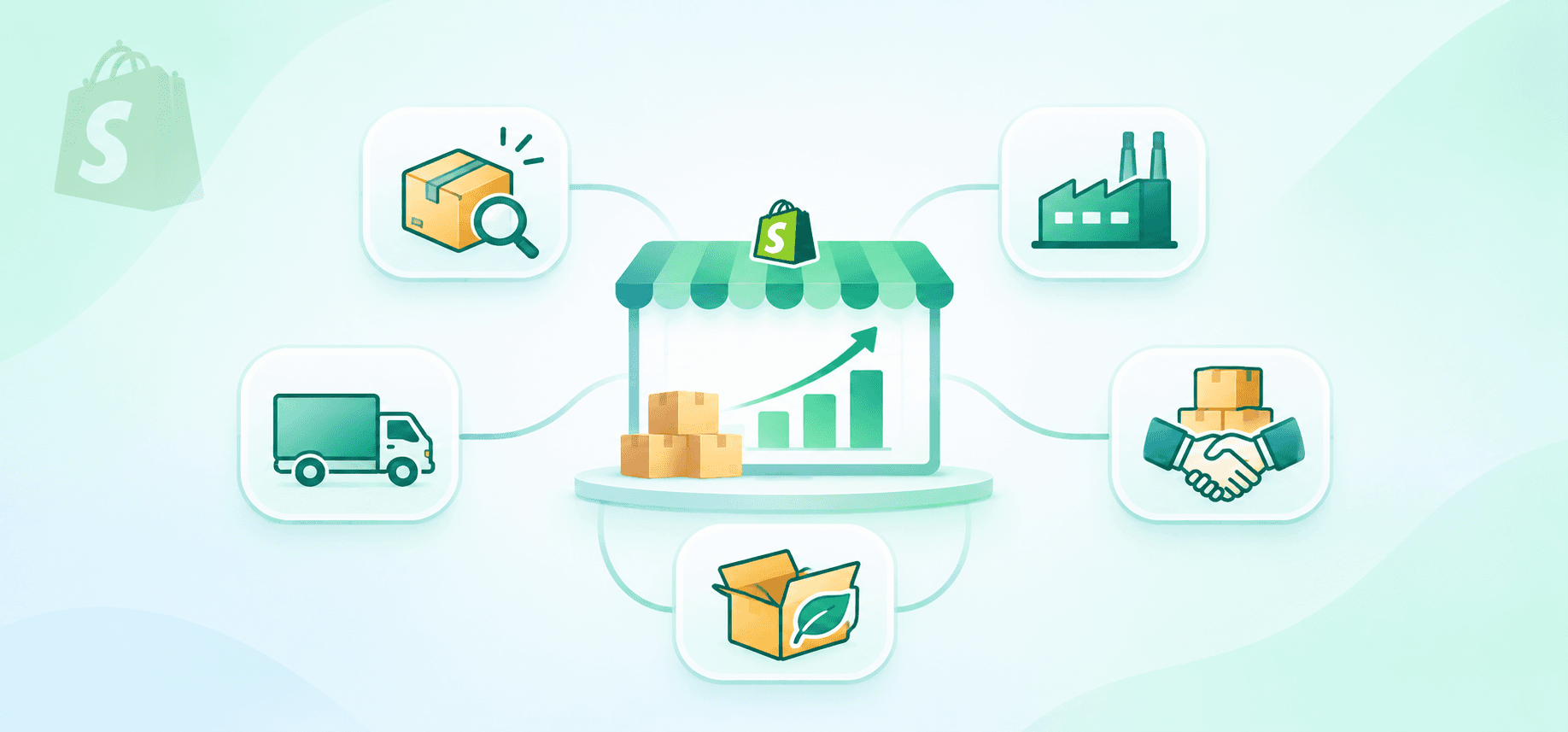
Lowering COGS is not about negotiating every supplier or buying the cheapest version. It is about finding where cost is hiding and fixing it without hurting quality. Here are five approaches that work for Shopify merchants.
Start With the Products That Actually Need a Cost Cut
Not every product in your store deserves a COGS cut. Focus your effort on the products that sell the most, because that is where a small saving pays back fastest. Sort your catalog by revenue and margin, and start with your best sellers. On a product that sells 1,000 units a month, cutting just $1 off the cost per unit adds $1,000 to your profit every month, with no extra ads or orders needed. The same cut on a product selling 50 units adds only $50.
Products sitting on the shelf should be left out of this exercise. Stop reordering them, bundle them with your best sellers, or clear them out, so unsold stock stops tying up cash and adding storage fees every month. Put your cost-cutting energy where the volume is high.
Optimize Your Manufacturing Costs
If you manufacture your own products, target the three core cost components that make up your COGS: direct materials, direct labor, and manufacturing overhead.
On materials and labor, simplify your product design to use fewer or cheaper components without compromising quality, cut waste during production, and explore global or low-cost country sourcing and factory-direct options. On the labor side, automate repetitive tasks to speed up production, reduce human error, and lower your per-unit labor cost, while reorganizing workflows so operators aren’t waiting on materials or doing non-value-added movement.
Go Direct - Cut Out the Middleman
If you’re a D2C brand, buy your products straight from the manufacturer or supplier instead of going through distributors, wholesalers, or trading agents. Every extra layer in the supply chain adds its own markup, and those markups stack up by the time the product reaches you.
Going direct removes those extra margins and gives you more control over pricing, order sizes, product quality, and delivery timelines. It also opens the door to volume discounts and custom packaging, which further bring down your COGS over time.
Compare and Renegotiate With Your Suppliers
Start by getting quotes from multiple suppliers and compare them. The comparison gives you a real benchmark to negotiate with.
Then take that benchmark to your current suppliers, using your purchase history as leverage. Eliminate repeat supply chain errors by favoring the ones with the better track record.
Treat the negotiation like a business proposal. Come with a target price, your past orders, and your forecast volumes, then offer the things suppliers value most: repeat reorders, faster payment, and a longer commitment. Suppliers cut price for stores that show steady growth and have competing quotes.
Simplify Product Design and Packaging
The more complicated your product and packaging, the more it costs you on every order. Extra parts, special finishes, big boxes, and heavy materials all add to what you pay to make, store, and ship each unit.
Begin with the product. Check for features or add-ons your customers do not notice or value, then check with your supplier and replace them with simpler parts or standard materials that could bring the unit cost down without changing the experience.
On the packaging side, remember that carriers often charge for the size of the box, not just its weight, so a half-empty box can cost as much to ship as a full one. Switching to right-sized boxes, standard dimensions, and lighter materials trims packaging, storage, and shipping costs on every order, with no change to the product your customer is buying.
Key Factors to Review Before Reducing COGS
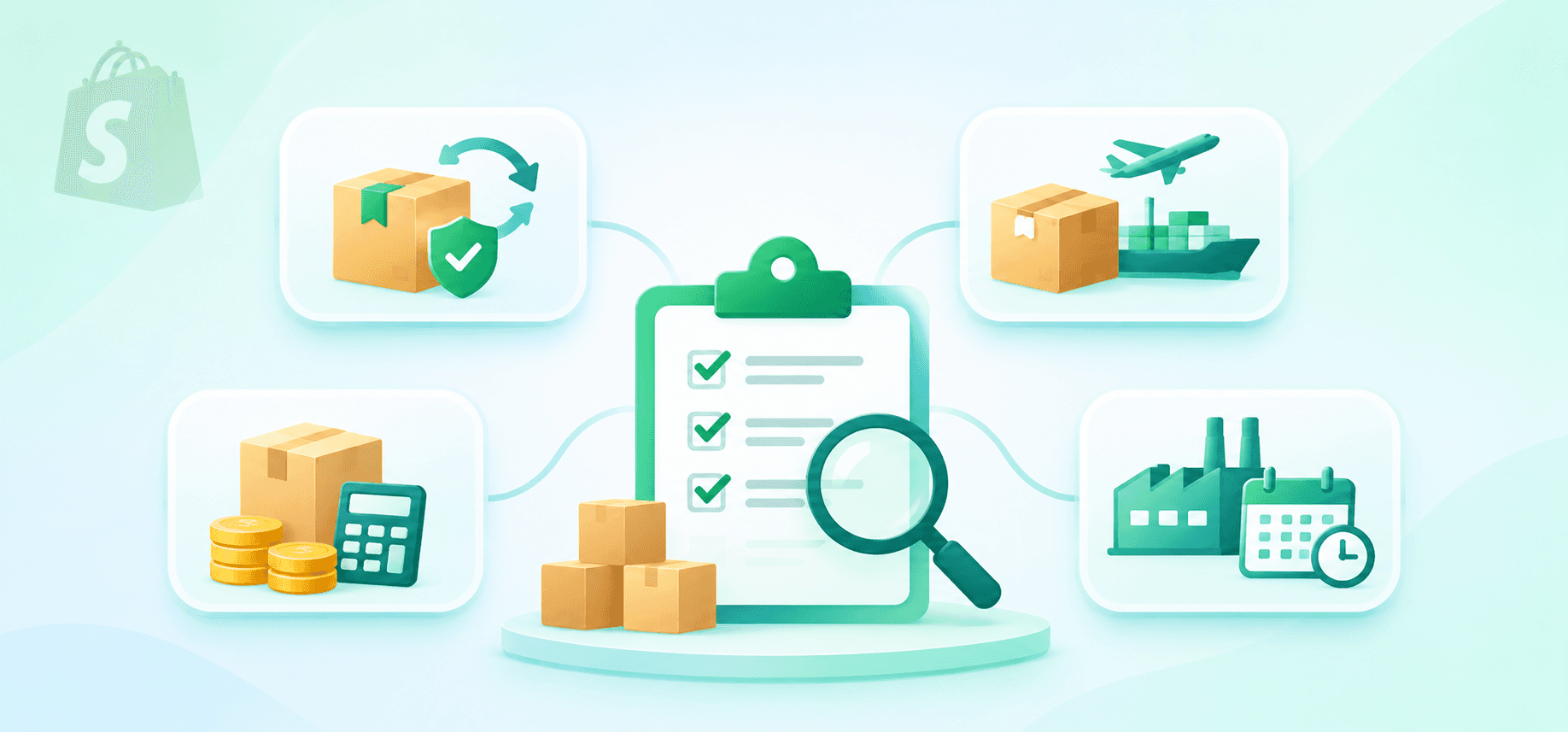
Cutting COGS is powerful, but only when the cut actually works out across the rest of your business. Here are the factors to review before you commit to a change.
Product Quality and Return Rates
The few dollars you save on each unit can disappear fast if returns start climbing, taking reverse shipping, refunded payment fees, restocking costs, and a weaker review score down with them. So before you switch, get order samples and compare them against your current product on the things customers care about most.
Landed Cost, Not Just Unit Price
A supplier offering a lower unit price can easily end up more expensive once freight and duties are added. Always compare offers on landed cost per unit, not on the factory quote, and keep a buffer for freight and currency movements so unexpected cost variations do not eat into the savings later.
Cash Flow and Minimum Order Quantities
Lower unit costs often come with higher minimum order quantities, longer payment terms upfront, or bigger deposits. If a cheaper price locks up cash you need for ads, new SKUs, or the next inventory cycle, the savings can hurt the business in practice. Map the cash flow impact by analysing how long the order will take to sell through, whether storage costs rise, and whether that money would be better spent on other aspects.
Supplier Reliability and Lead Times
A cheaper supplier that misses deadlines, ships inconsistent quality, or goes silent in peak season costs far more than the saving. Stockouts kill ad momentum and send customers straight to competitors. Before switching or renegotiating, check the supplier’s track record on lead times, their capacity during busy periods, their communication quality, and how they handle defects.
The Bottom Line
Lowering COGS is one of the simplest ways to grow profit on Shopify. Every dollar you cut from product cost stays with you, gives your ads more room to break even, and frees up cash for reorders. Focus on your best sellers, compare suppliers on the full cost, and keep your packaging and product mix simple, without hurting quality, returns, or delivery times.
But none of it works without accurate cost data, and Shopify’s cost per item field holds only one number per product. The moment costs change by supplier, season, quantity, country, or customization, profit starts to look higher than it really is.
Bloom takes the COGS tracking off your plate, including all the cases where Shopify is not flexible enough. You set your costs once, and Bloom applies them to every order automatically. On top of that, you get your real profit in one live view, so you can see how your store is doing in just a few minutes.
Frequently Asked Questions
How do you lower COGS on Shopify?
Start with your best-selling products, where a small saving per unit pays back fastest. Then buy direct from manufacturers, compare and renegotiate supplier quotes, optimize manufacturing costs if you make your own products, and simplify product design and packaging.
Which products should I cut COGS on first?
Your best sellers. Cutting $1 off the cost of a product that sells 1,000 units a month adds $1,000 to monthly profit, while the same cut on a product selling 50 units adds only $50. Slow-moving stock should be left out, stopped from reordering, bundled, or cleared.
Does lowering COGS improve ROAS?
It lowers your break-even ROAS. When each unit costs less, you can afford to pay more to acquire the customer who buys it, so marginal campaigns can turn profitable and working campaigns get more room to scale.
What should I check before switching suppliers to reduce COGS?
Review product quality and return rates, compare offers on landed cost rather than factory price, check cash flow and minimum order quantities, and look at supplier reliability and lead times. A cheaper unit price can lose its value if any of these go wrong.
Why isn’t Shopify’s cost per item field enough to track COGS?
It holds only one number per product. When costs change by supplier, season, quantity, country, or customization, a single number makes profit look higher than it really is. Bloom lets you set costs once and applies them to every order automatically.
Discover More