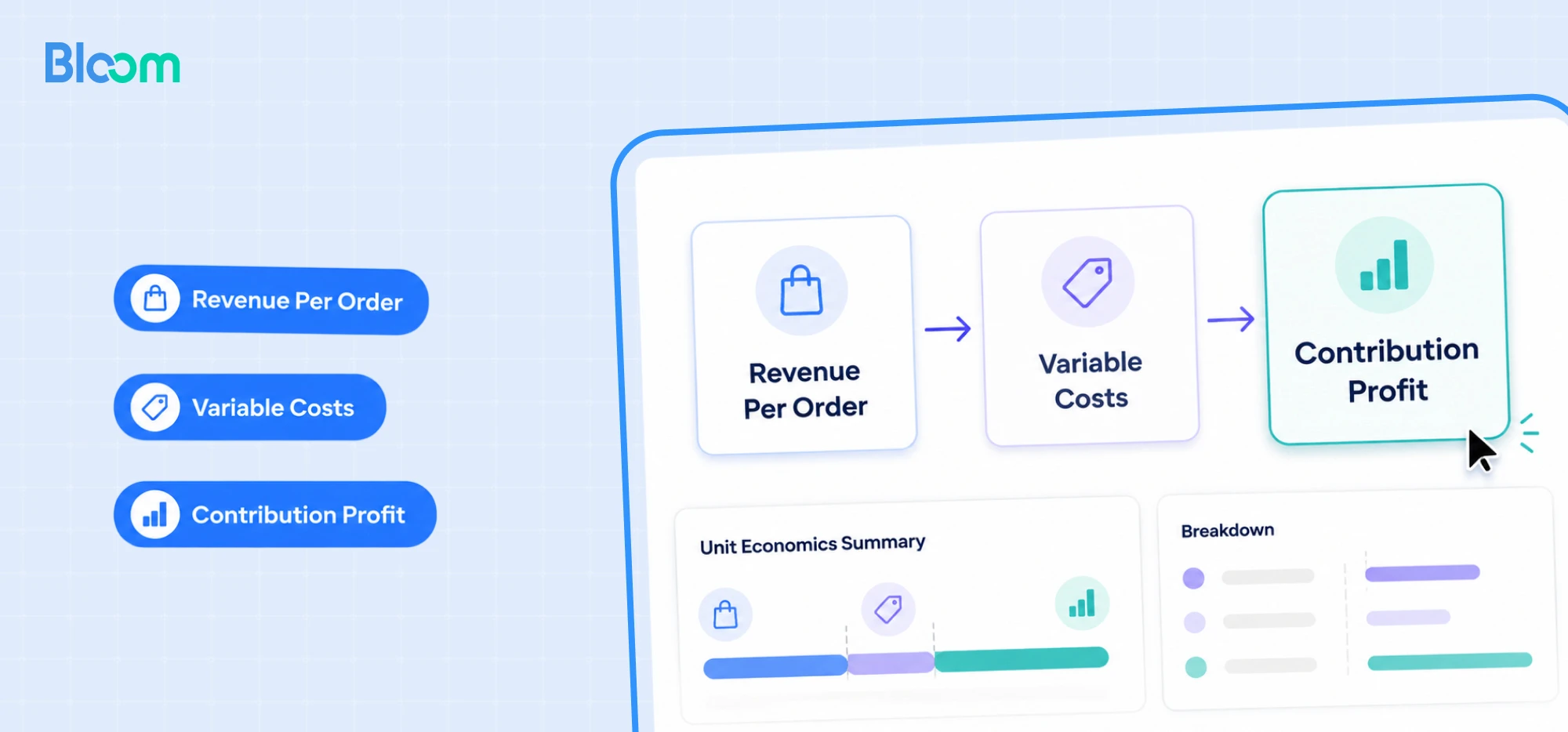
How to Increase AOV in Shopify: 7 Ways to Make Every Order Worth More


Increasing Average Order Value (AOV) is one of the most reliable ways to grow revenue on Shopify. You earn more from fewer orders instead of chasing volume through low-ticket sales alone, which means real growth without a proportional rise in acquisition costs.
But getting customers to spend more per checkout is not easy, and pushing it the wrong way can backfire. If discounts, free shipping, or bundles cut into your margin, you can grow AOV and still make less money.
The good news is there are proven ways to lift AOV without hurting your bottom line. In this guide, we cover seven effective strategies, each with a practical tip and a guardrail so you can grow order value while protecting your margins.
Key Takeaways
Average order value (AOV) is total revenue divided by number of orders over a given period.
The fastest routes to a higher AOV are product bundles, free shipping thresholds, and upsells -- but each needs to be tested against profit, not just basket size.
AOV is a revenue metric. To know whether a higher AOV is actually profitable, track it alongside contribution margin and net profit.
What Is Average Order Value on Shopify?
AOV Formula: Total Revenue / Order Count
Average order value is total revenue divided by total number of orders over a given period. If your store generates $50,000 in revenue from 800 orders in a month, your AOV is $62.50.
Shopify surfaces AOV in the Analytics section of your admin dashboard, and it appears in the Overview tab as one of the headline metrics. The number is a useful proxy for how efficiently you are turning demand into revenue, but it says nothing about profit. A $90 AOV driven by deep discounts or expensive fulfillment can leave less in the business than a clean $65 AOV with a healthy margin. That distinction matters more than most AOV guides acknowledge.
7 Strategies to Increase Average Order Value on Shopify
1. Create Product Bundles That Work Together

Bundles increase AOV by getting customers to buy more in a single transaction, but the ones that convert are built around a genuine customer need, not just a combination of SKUs. A skincare brand bundling a cleanser with a moisturizer solves a routine. Two unrelated products discounted together look like a clearance shelf.
Build bundles around complementary products or natural use cases. If you have a hero product with logical accessories or consumable add-ons, start there. Protect your margin by anchoring the bundle around higher-margin items, not just bestsellers.
Tip: Test bundle pricing against your individual product margins before launching. If the bundle discount erodes profit per transaction, adjust the composition or the discount depth.
2. Use Free Shipping Thresholds Strategically
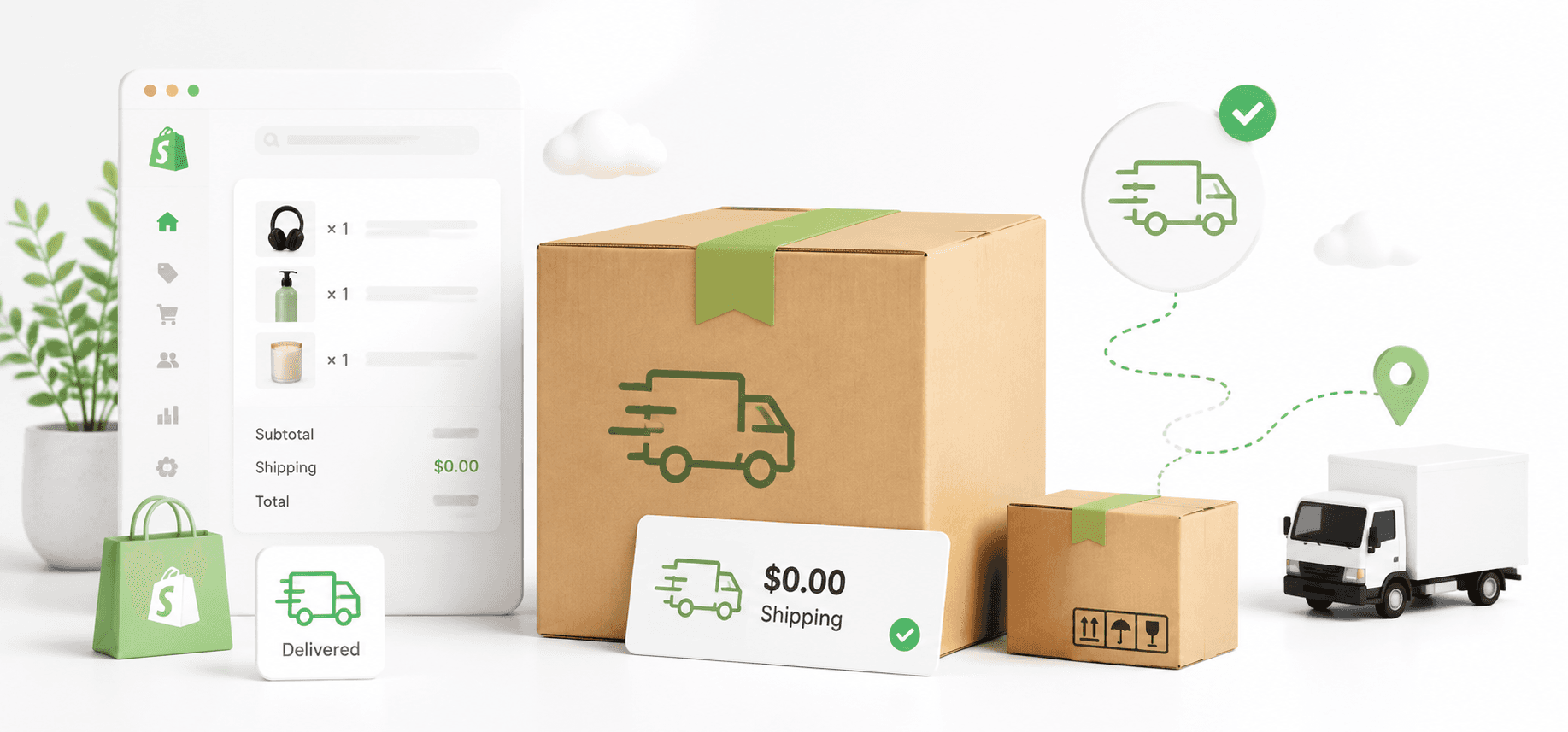
Free shipping thresholds work because customers will often add a low-cost item to avoid a shipping fee. If your current AOV sits around $60, setting the free shipping threshold at $75 creates a natural incentive to add one more item.
The threshold needs to be calibrated carefully. Too low and you subsidize orders that would have happened anyway. Too high and customers abandon rather than add to cart. A threshold roughly 15 to 25 percent above your current AOV is a common starting point, though the right number depends on your product mix and actual shipping costs.
Tip: Make sure the incremental order value at the threshold covers the cost of shipping. If the math does not work, the tactic costs you money even as it lifts AOV.
3. Add Relevant Upsells, Cross-Sells, and Post-Purchase Offers
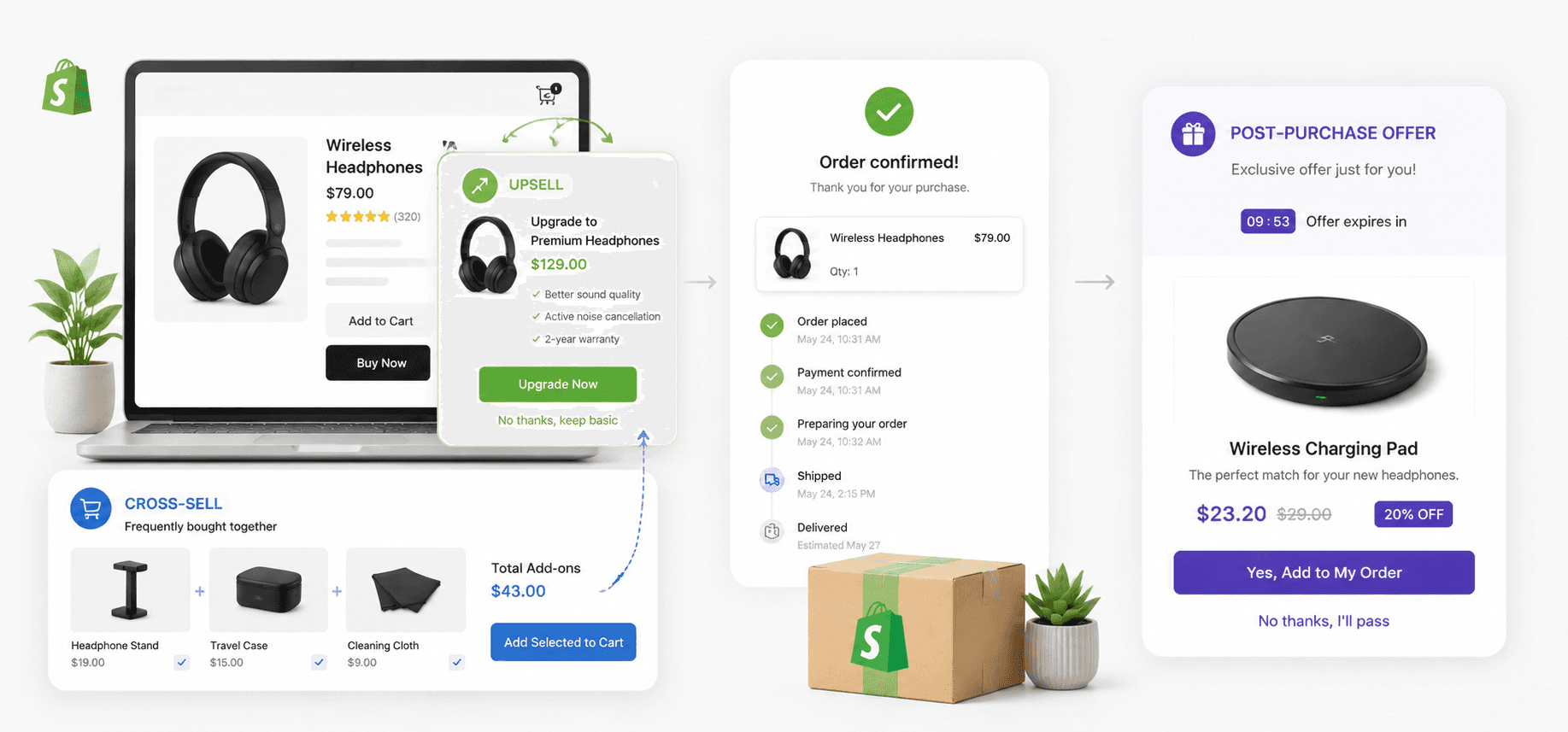
Upsells and cross-sells work best when the suggestion is genuinely useful to the customer and low-friction to accept. A customer adding protein powder to their cart is a natural target for a suggested shaker bottle. Relevance drives conversion here more than discount depth.
Post-purchase offers are particularly useful because the buying decision is already made. A simple offer shown after checkout -- "Add this item for 15 percent off" -- captures incremental revenue without interrupting the checkout flow. Several Shopify apps support post-purchase upsells natively and can be set up without developer help.
Tip: A smaller discount on the right product will outperform a larger discount on the wrong one. Match the offer to the cart, not to the AOV target you have in mind.
4. Use Volume Discounts and Tiered Pricing Carefully
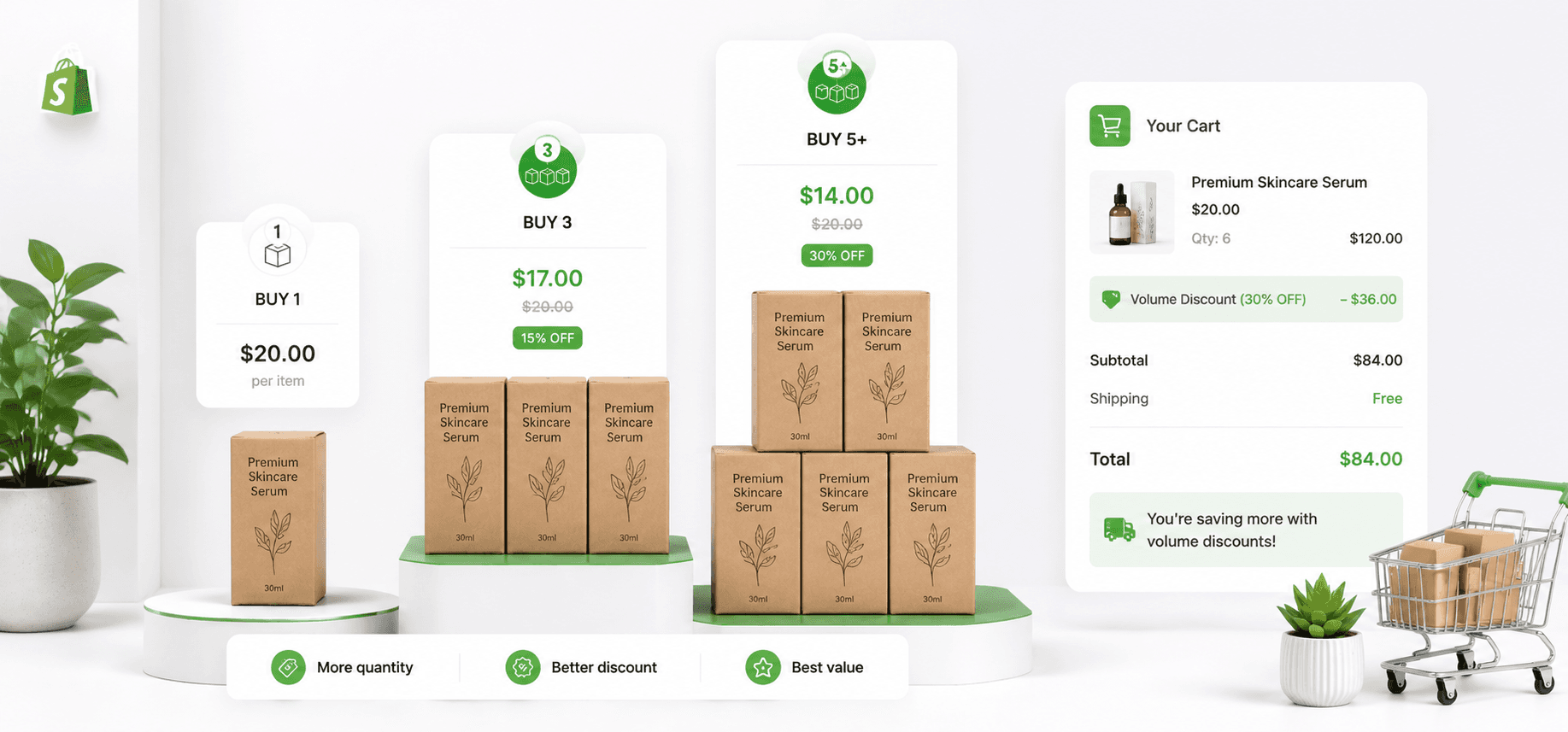
Volume discounts ("buy 2, save 10 percent") can push AOV higher, but they need to be designed against your margin, not reverse-engineered from the AOV number you want to hit. A tier that looks attractive to customers can quietly compress profit per transaction if the discount is too steep.
Tiered pricing works best on products customers naturally buy in multiples: consumables, refills, items with varying sizes or flavors. Use your historical order data to test tier structures rather than guessing what customers will respond to.
Tip: Calculate the margin at each tier before publishing. A volume discount that lifts order count but compresses net profit is a revenue win that is not a business win.
5. Offer Subscriptions and Loyalty Incentives
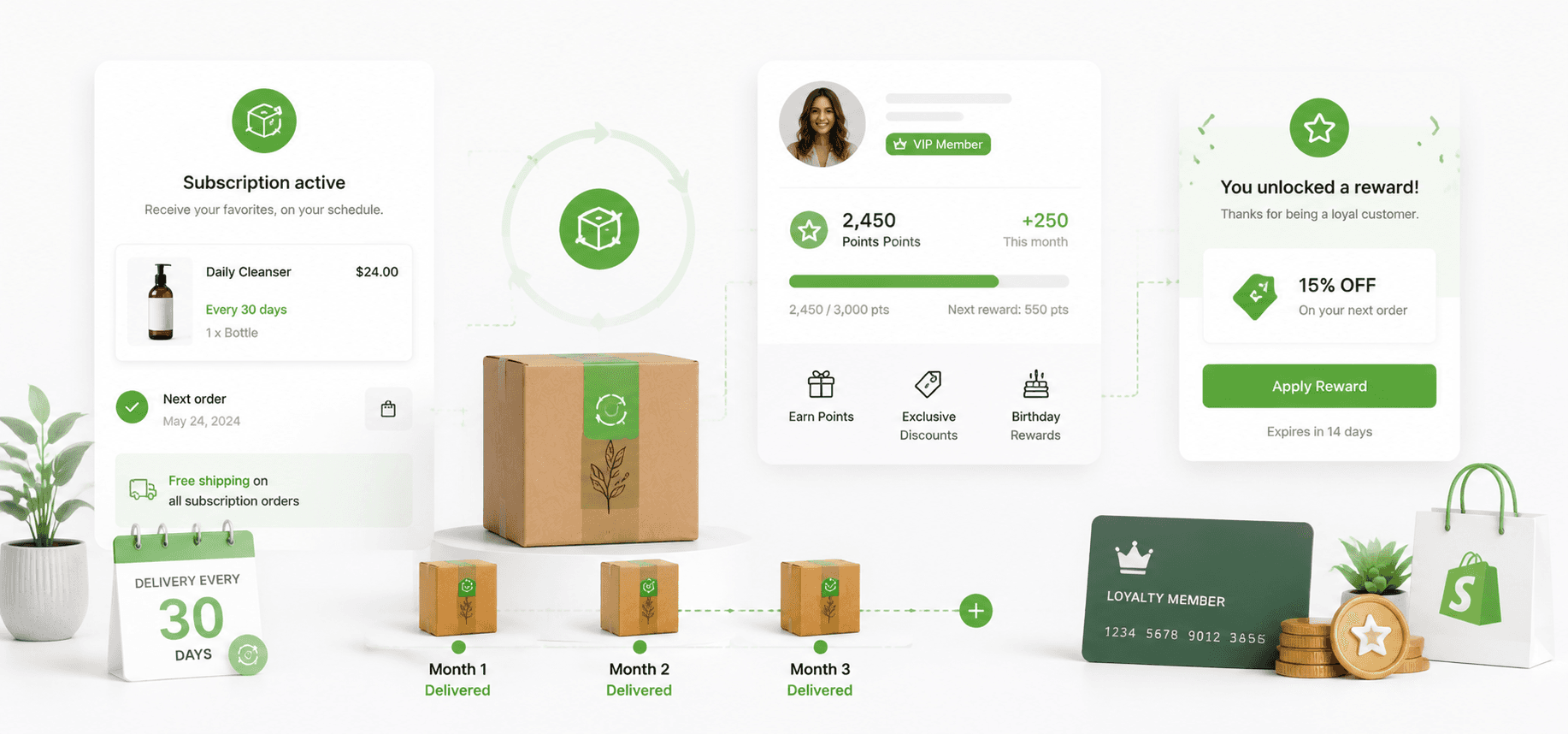
For products purchased repeatedly, subscriptions naturally increase both AOV and lifetime value. Subscription bundles, refill plans, and larger pack sizes at a modest subscription discount are all common mechanics. The key is making the subscription feel like a better deal for the customer, not just a retention mechanism.
Loyalty programs can also nudge AOV when customers are close to a reward threshold. A customer 20 points away from a free product will sometimes add another item to get there. Like all incentive mechanics, this needs to be tracked against actual profit impact, not just basket size.
Tip: Track whether the revenue from the incremental spend outweighs the cost of the reward or subscription discount. Many loyalty programs improve AOV while losing margin.
6. Personalize Product Recommendations Using Customer Data
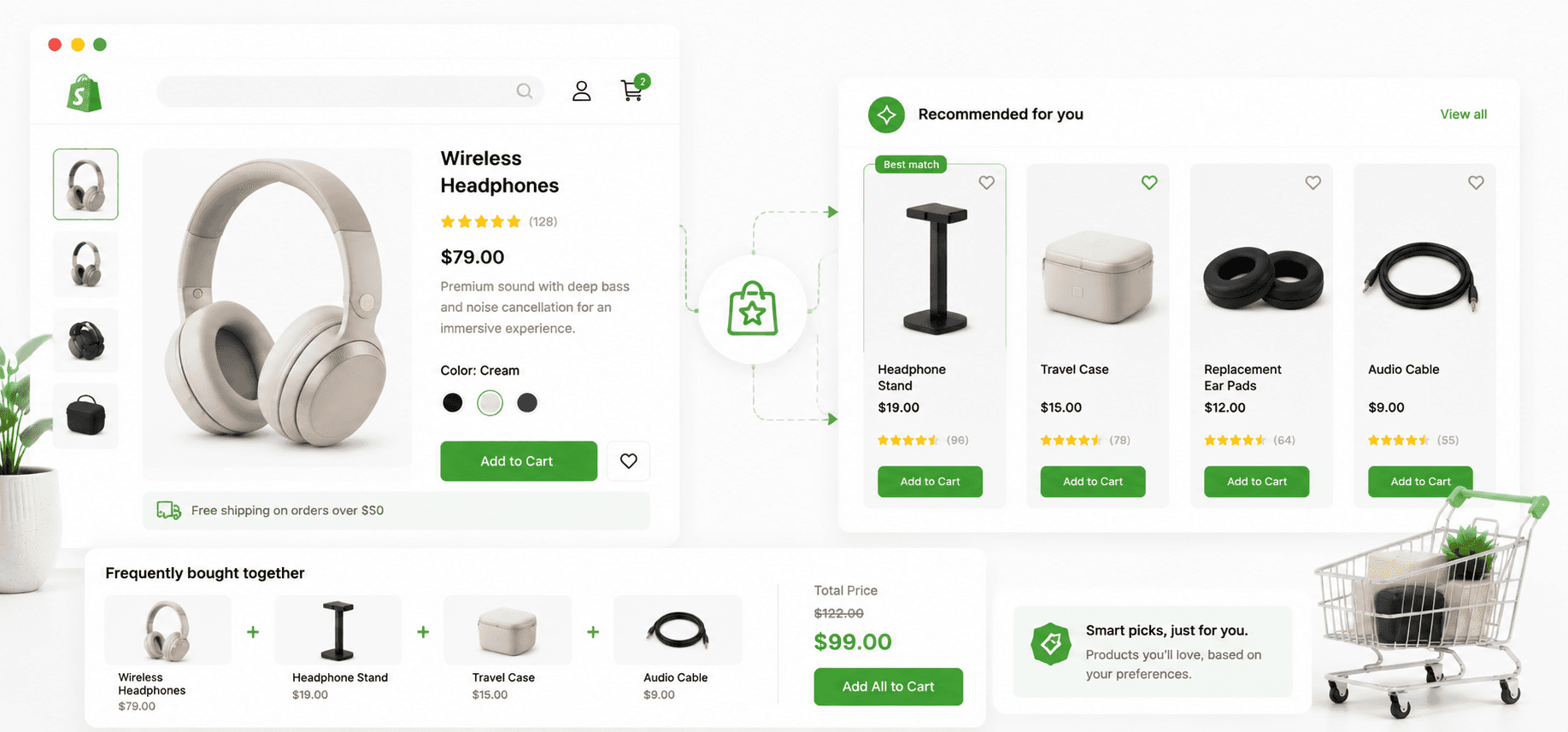
Generic "you might also like" suggestions help less than targeted ones built from purchase history, customer segments, or browsing behavior. A customer buying postpartum wellness products and a customer buying sports nutrition products need to see different suggestions, even if they are spending similar amounts.
Most Shopify recommendation tools pull from purchase and browsing data by default. For stores with a defined customer base, segmenting recommendations by product category, purchase history, or customer tag improves both click-through and conversion.
Tip: Personalization should improve relevance, not just increase recommendation volume. Showing more products is not the same as showing the right ones.
7. Track AOV by Campaign, Channel, and Product
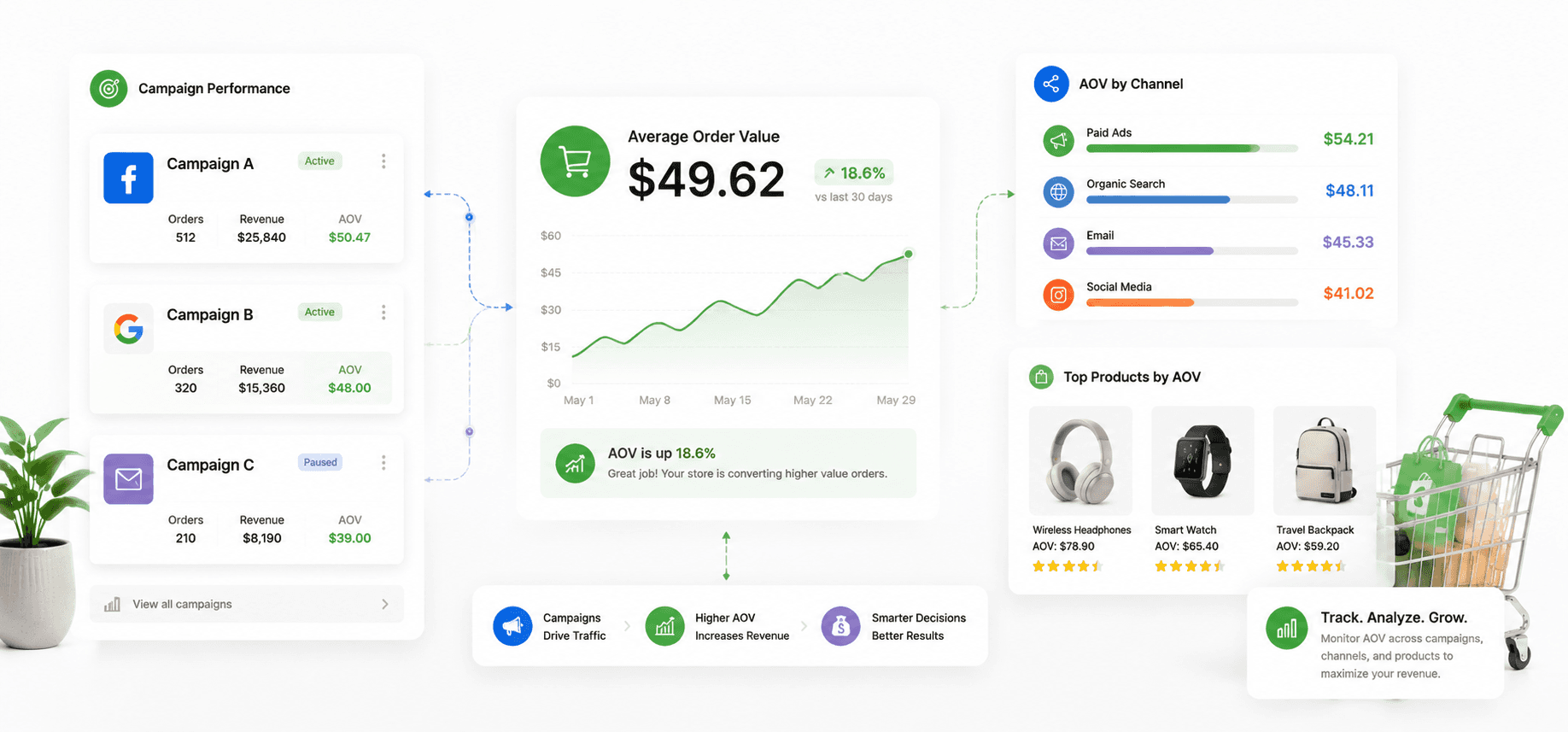
AOV is a store-level average, which means it hides a lot. A campaign that drives a higher AOV might be doing so because its audience naturally skews toward larger orders, or because it promotes a specific bundle. Understanding which campaigns, channels, and products are driving higher-AOV orders – and which are diluting the average –turns AOV from a summary metric into an actionable one.
At a minimum, break AOV down by traffic source and campaign in your analytics. More usefully, layer in margin: a campaign generating a $90 AOV on heavily discounted products may be doing less for your business than one generating $65 AOV on full-price, margin-healthy SKUs.
Common AOV Mistakes to Avoid
Overusing discounts. The most common way merchants lift AOV and erode profit at the same time. Every percentage point off the price is a direct reduction in margin. Use discounts surgically, test the profit impact before scaling, and avoid training customers to wait for a sale.
Ignoring conversion rate. An AOV optimization that damages conversion rate can cost more than it gains. If adding a bundle or upsell makes checkout feel slower or more complicated, fewer customers complete the purchase. AOV and conversion rate need to be tracked together, not separately.
Optimizing AOV in isolation. AOV is a revenue metric. A higher AOV that arrives with higher costs per order -- heavier products, more expensive fulfillment, deeper discounts -- may leave the same or less net profit. The target is not a bigger AOV. It is a more profitable business.
A Higher AOV Matters Only If the Profit Follows
Increasing AOV is worth doing. But the goal is not a bigger number in your Shopify analytics. The goal is more profit per period.
The gap between the two is where merchants get into trouble. A bundle strategy that lifts AOV by 15 percent while compressing gross margin looks like a win on the surface but quietly erodes the business. Free shipping thresholds that add revenue but cover less than the cost of fulfillment have the same effect.
This is why Shopify merchants who take AOV seriously also track profit. Bloom, a Shopify-native profit analytics app, gives merchants a full P&L view from gross revenue down to true net profit and breaks it down to the order level, so you can see the line items behind every order and whether it's actually profitable, not just whether it hit a healthy AOV. That's the honest measure of whether an AOV strategy is worth keeping. The real question to ask is “Am I processing orders profitably?”

FAQ
How do I check my average order value in Shopify? You can find AOV in the Analytics section of your Shopify admin under the Overview dashboard. Shopify calculates it as total revenue divided by total number of orders over a selected period. For a breakdown by traffic source, product, or campaign, navigate to the detailed reports in the Analytics section.
Does increasing AOV always increase profit? No. AOV measures revenue per transaction, not profitability. Tactics like deep discounts, heavy bundles, or high-cost upsells can lift AOV while compressing margin per order. Always track AOV alongside gross margin and net profit to confirm that an increase in basket size is translating into an actual improvement in the business.
Which Shopify apps help increase average order value? The most common tools are upsell and cross-sell apps, bundle builders, and loyalty program apps. The right choice depends on which tactics fit your product type and customer behavior. Any app that increases basket size should be evaluated against its impact on margin, not just on order value.
How does a free shipping threshold affect AOV on Shopify? A well-set free shipping threshold can increase AOV by encouraging customers to add one more item to qualify. The threshold should sit roughly 15 to 25 percent above your current AOV to be effective, and the incremental order value generated should cover the cost of shipping. If the math does not work at the margin level, the tactic increases revenue while adding cost.
Discover More