

Shopify BFCM 2026 runs from Black Friday on November 27 to Cyber Monday on November 30. For most Shopify stores, these four days of Black Friday Cyber Monday are the biggest sales window of the year, and the most expensive one to advertise in.
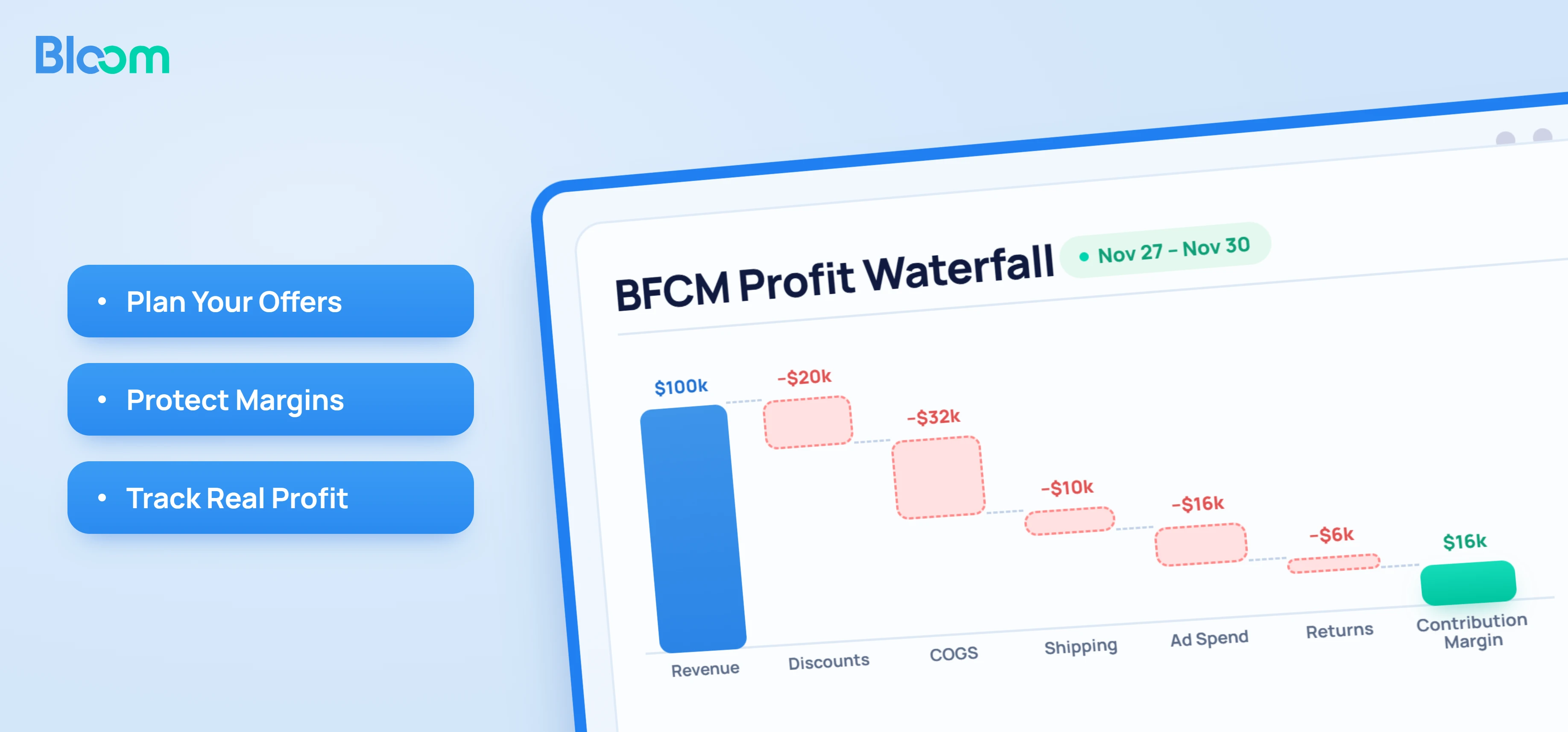
That is why record sales days do not always mean record profit. Discounts shrink the margin on every order, ad costs climb, and holiday returns arrive weeks later. The sellers who win BFCM plan around what stays after all of that, not just what comes in.
This guide covers everything you need for Shopify BFCM 2026: what the numbers show, how to get your store ready, a phase-by-phase timeline, how to protect profit while you discount, which channels to run, and how Black Friday and Cyber Monday differ.
Key takeaways
Shopify BFCM keeps growing. Shopify merchants set a new sales record in each of the last three years, so competition for attention grows with it.
Get ready a week early. Test checkout and every discount code, stock your bestsellers, publish shipping cutoffs, then freeze theme and app changes.
Plan in phases. What you check before, during and after BFCM is different, and the weekend between Black Friday and Cyber Monday is your chance to adjust.
Price your offers from your margins. A 25% discount can halve the profit on each order, so decide discount depth product by product.
Spend where you already have attention. Email and SMS to existing customers bring the cheapest sales, and paid ads work best on warm audiences during peak week.
Judge BFCM by profit, not revenue. Measure Contribution Margin after discounts, fulfillment, ad spend and returns, then track whether BFCM customers come back.
What is Shopify BFCM, and when is it in 2026?
BFCM stands for Black Friday Cyber Monday, the four days from the Friday after US Thanksgiving to the following Monday. In 2026, it runs from November 27 to November 30. For Shopify merchants it is one sales period, not two separate days, and many stores run offers across all four.
Day | Date | What usually happens |
Thanksgiving | Thursday, November 26 | Early-access offers go out to email and SMS subscribers |
Black Friday | Friday, November 27 | Highest traffic and the most new shoppers |
Small Business Saturday | Saturday, November 28 | Shoppers look for independent brands |
Sunday | November 29 | Quieter day, a good time to retarget weekend browsers |
Cyber Monday | Monday, November 30 | Last big push before holiday shipping deadlines |
Cyber Week | December 1 to 4 | Some stores extend offers, others end on Monday |
BFCM started in the US but now runs worldwide. Shopify merchants in the UK, Europe, Australia and India run BFCM sales too, even where Thanksgiving is not a holiday.
Why buying peaks during BFCM
Several forces land on the same few days. Late November opens holiday gift shopping, and it leaves enough time for orders to arrive before the holidays. Many shoppers also have the day off after Thanksgiving.
The bigger reason is that BFCM fuels itself. Shoppers expect the best prices of the year, so brands save their offers for it. Because brands save their offers for it, shoppers wait for it.
That waiting matters for your numbers. Part of the BFCM spike is spending moved from October and early November, not new demand. Expect a dip in the weeks before the sale, and judge BFCM against the whole season, not one weekend.
New to the term? Read What Does BFCM Mean on Shopify?
Shopify BFCM by the numbers
Shopify merchants sold $14.6 billion over BFCM 2025, up 27% from 2024 and the third record weekend in a row. Sales peaked at 12:01 p.m. EST on Black Friday, at $5.1 million per minute (Shopify, 2025).
Shopify BFCM sales, year by year
Year | Total sales (GMV) | Growth vs prior year | Peak sales per minute | Average cart |
2025 | $14.6 billion | 27% | $5.1 million | $114.70 |
2024 | $11.5 billion | 24% | $4.6 million | $108.56 |
2023 | $9.3 billion | 24% | $4.2 million | $108.12 |
Sources: Shopify 2025, Shopify 2024, Shopify 2023. Shopify reports GMV, which includes shipping and taxes and is net of refunds, and notes that methodology can change year to year.
Two more 2025 figures show how wide BFCM has become. More than 94,900 merchants had their highest-selling day ever, and cross-border orders made up 16% of all orders.
Top-selling categories on Shopify
In 2025, Shopify named cosmetics, clothing tops and pants, activewear, and fitness and nutrition as the hottest categories. The 2024 list was almost the same: clothing tops, cosmetics, fitness and nutrition, pants and activewear.
The pattern is clear. Products people buy for themselves and use up, like beauty, supplements and basics, lead BFCM on Shopify. Best-selling is not the same as most profitable, though. Apparel carries high return rates, and beauty and supplements compete in some of the most expensive ad auctions of the year. See Top-Selling Products on Shopify for Black Friday and the most profitable products to sell on Shopify.
What Shopify sellers search for during BFCM
We grouped US search demand for Shopify BFCM keywords by the concern behind each search. Sellers mostly want benchmarks and reassurance that the platform will hold up. Almost no one searches for whether BFCM is profitable.
Seller concern | Example searches | Monthly searches (approx.) |
How is BFCM going, and how do I compare? | shopify black friday results, sales data, growth vs last year | 1,500+ |
Will Shopify hold up? | shopify outage cyber monday, shopify down cyber monday | 620 |
Am I ready? | shopify black friday checklist, best shopify apps for bfcm | 300 |
Is it profitable? | shopify metrics to track for black friday | 30 |
Source: Bloom analysis of Semrush US keyword data, 2025 season.
That gap is the opportunity. Sellers measure BFCM by sales growth, the same way headlines do. The question that decides whether the weekend was worth it is what stayed after discounts, fulfillment, ad spend and returns. More data in Shopify BFCM Statistics.
How to get your Shopify store ready for Black Friday
Finish your Shopify Black Friday prep about a week before November 27, then freeze changes. Most lost BFCM sales come from four places: checkout, discounts, stockouts and unclear shipping dates. Fix those first.
Site speed and stability
Test page speed on mobile, where most BFCM orders happen. Remove apps you no longer use, since each one can add scripts. Duplicate your live theme as a backup, then stop theme and app changes a few days before Black Friday.
Checkout and payments
Place real test orders on mobile and desktop, with a discount code, through to the confirmation email. Turn on express checkout options like Shop Pay, Apple Pay and Google Pay. Shop Pay handled 32% of Shopify orders over BFCM 2025, so it matters. Check that fraud filters will not block real customers during a spike.
Discounts and offers
Test every code and automatic discount, including start and end times in your store's time zone. Check discount combinations so codes only stack the way you intend. Confirm the price shown on product pages matches what shoppers pay at checkout.
Inventory
Stock up on bestsellers and set low-stock alerts. If you sell on more than one channel, sync inventory so you do not oversell and cancel orders. Decide what happens when items sell out: hide them, collect back-in-stock signups or take pre-orders.
Shipping and fulfillment
Publish holiday shipping cutoff dates on product pages, cart and FAQ. Confirm carrier pickup schedules for peak week. Check free-shipping thresholds and rates in every market you sell to. Cross-border orders were 16% of Shopify BFCM orders in 2025.
Your BFCM landing page
Send BFCM traffic to one dedicated page, not your homepage. Put the offer at the top, then bestsellers, bundles, gift ideas and shipping cutoffs. Keep it fast: one hero image, no stacked pop-ups.
Customer support
Update FAQs on shipping times, returns and gift receipts. Write saved replies for common questions. Extend your returns window for holiday gifts and say so clearly. Staff chat and DMs for longer hours, because slow answers lose sales.
Tracking and profit visibility
Confirm analytics and conversion tracking fire on a test order. Enter every cost before the sale: product costs, shipping, payment fees and ad spend. Without them you will see revenue during BFCM but not profit until weeks later.
Contingency plan
Bookmark Shopify's status page so you can tell whether a problem is yours or the platform's. Agree who does what if checkout or a key app fails. Prepare a short "we're having issues" message for email and social, and know how to extend a sale. See Is Shopify Down?
Want the full list? Use the Shopify BFCM Checklist.
Your Shopify BFCM timeline: what to do before, during and after
Each phase of BFCM asks a different question. Before the sale, you decide what you can afford. During it, you check whether offers are working and making money. After it, you judge whether the whole season paid off.
Phase | Key question | What to check | Decisions |
6 to 2 weeks out | What can we afford? | Normal-week baseline, last year's results, margin per product, breakeven ROAS | Offers per product, ad budget, stock levels, early-access segments |
Final week | Is the store ready? | Test orders, discount codes, tracking, shipping messages | Freeze theme and apps, launch early access |
Black Friday | Is it working and profitable? | Conversion rate, checkout errors, MER (Marketing Efficiency Ratio), profit by product and campaign, stock | Move budget to profitable campaigns, pause losing ads, push products with stock and margin |
The weekend | What should change for Monday? | Friday results at profit level, stalled products, cart abandoners | Retarget browsers, adjust discount depth, rebalance budget and stock |
Cyber Monday | How do we finish strong? | Hour-by-hour vs Friday, ad cost vs conversion | Last-call pushes, extend or end the sale |
December to January | Did it pay off? | Contribution Margin vs baseline, returns, repeat purchases | What to repeat or drop next year |
Two checks matter more than the rest.
Set a baseline before the sale. Know a normal week's orders, average order value, conversion rate and profit. Without it, you cannot tell how much of the BFCM spike was new demand.
Check profit daily, not revenue. Revenue climbs all weekend no matter what. Profit by product and campaign shows which offers and ads to cut while there is still time to act.
How to know if BFCM actually made you money
Wait until holiday returns come in, then compare profit for October to December with the same period last year or a normal baseline. Comparing one weekend hides the pre-sale dip and the full-price sales BFCM pulled forward.
Then follow your BFCM customers for 60 to 90 days. Customers who come back at full price make a discount worth it. Customers who only buy on sale make it expensive.
Go deeper with Shopify Metrics to Track for BFCM and How to Build a Shopify BFCM Profit Dashboard.
How to make the most profit on BFCM
The sellers who make the most on BFCM protect profit per order, because that is what discounts shrink first. Start with the math, then choose the offer.
What a discount really costs you
Take a product that sells for $80, with $28 in product cost and $12 in fulfillment and payment fees.
Full price | 25% off | |
Price | $80 | $60 |
Product Gross Profit (after product cost) | $52 | $32 |
Gross Profit (after fulfillment and fees) | $40 | $20 |
Breakeven ROAS | 2.0 | 3.0 |
Orders needed to earn the same Gross Profit | 1x | 2x |
A 25% discount halves Gross Profit per order, so you need twice the orders just to stand still. Breakeven ROAS, the ad return you need just to cover costs, rises from 2.0 to 3.0. That happens during the week when ad costs are usually at their highest.
Work out this table for each product you plan to discount. The deepest discount a product can take and still stay profitable after ads is your ceiling, not a number picked to match competitors. Read more on breakeven ROAS and Contribution Margin.
Six levers that protect profit
Discount selectively. Go deep on overstock, slow movers and high-margin items. Protect bestsellers that sell anyway.
Raise order value instead of cutting price. Bundles, tiered offers like "spend $150, get 20% off" and free-shipping thresholds cost less margin than a flat percentage. Shopify's average BFCM cart rose to $114.70 in 2025.
Sell to customers you already have. Email and SMS cost almost nothing per order compared with paid ads.
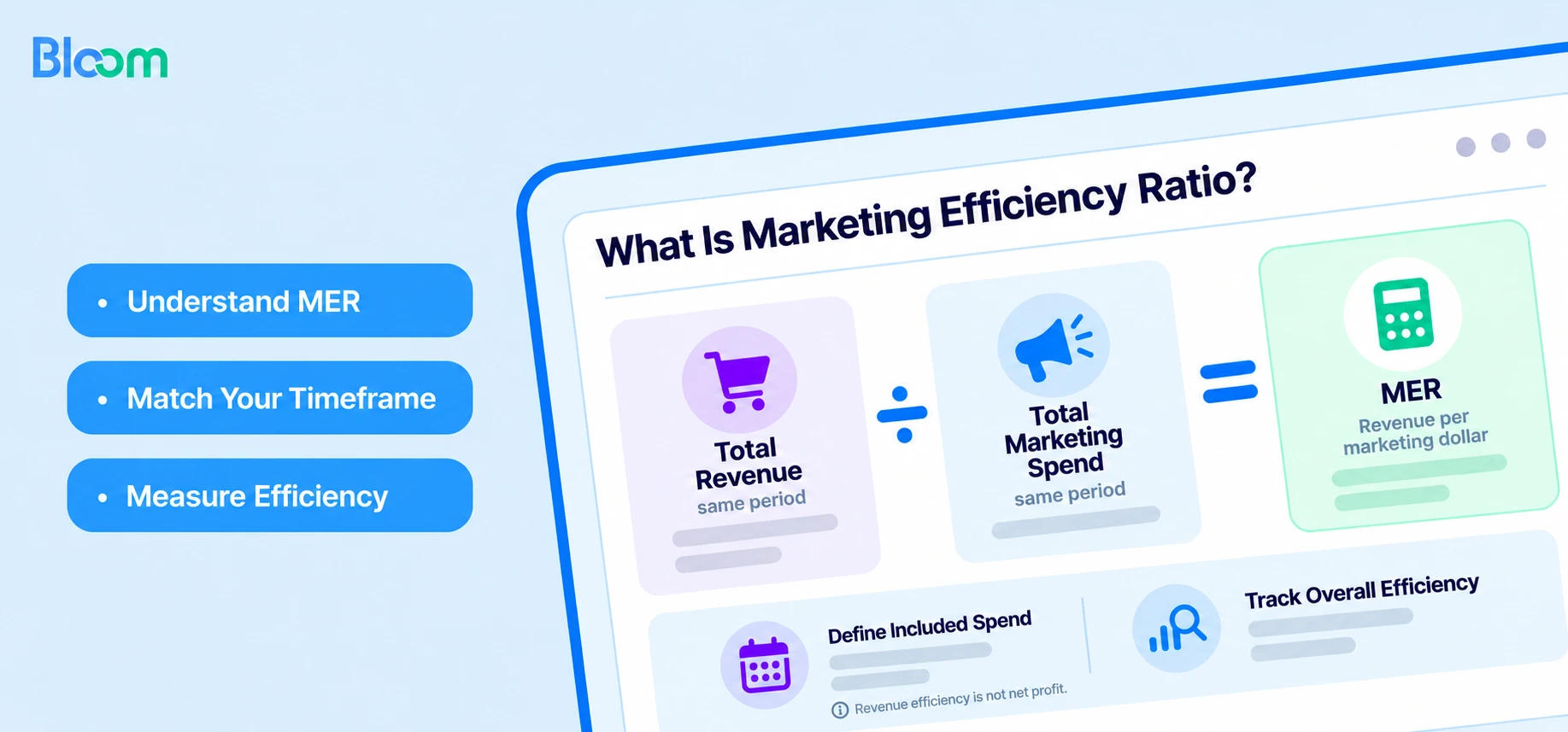
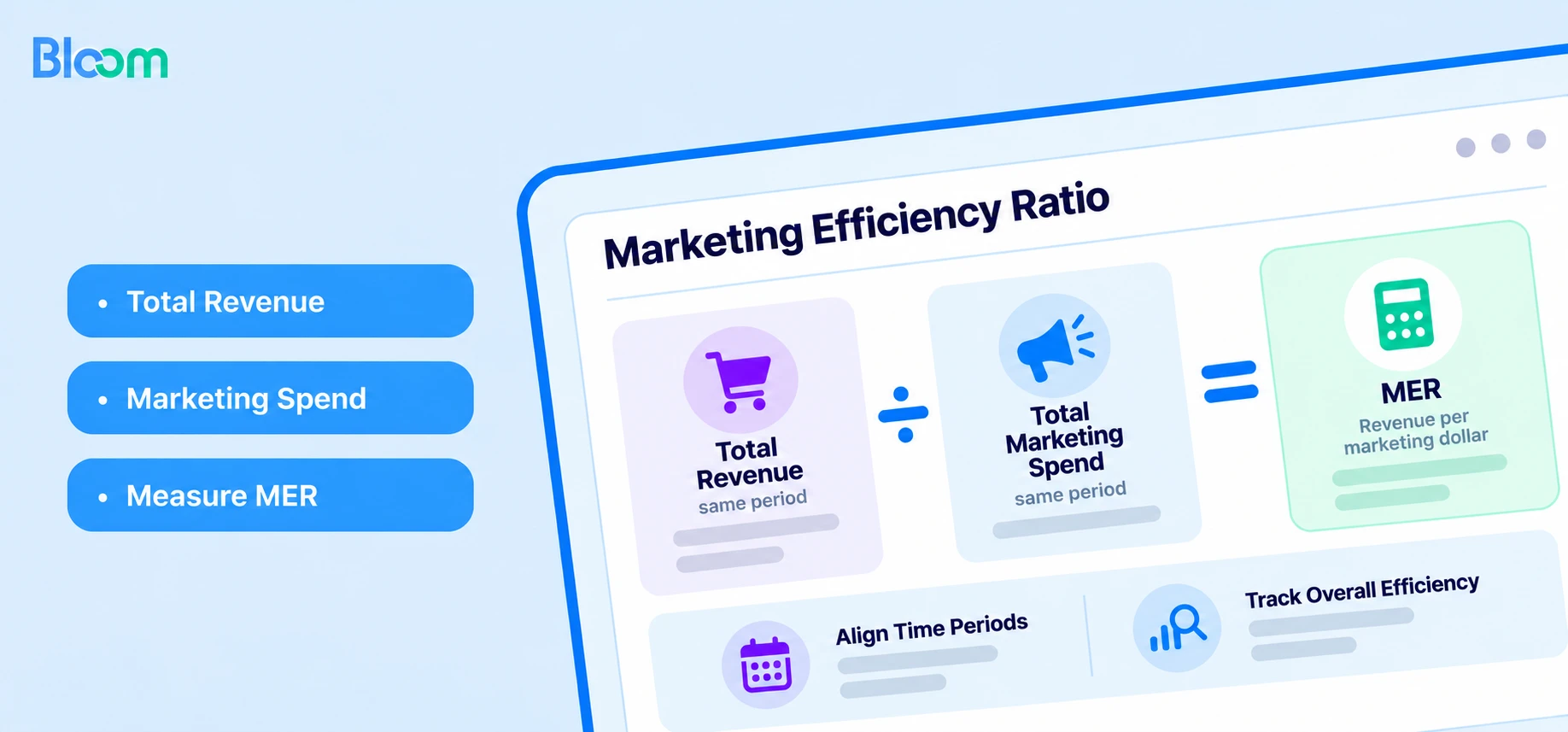
Judge ads by real sales. Set a target MER (total revenue divided by total ad spend) before the sale and check it against real orders, not platform-reported ROAS.
Avoid stockouts on winners. Running out of your best-margin product is the most expensive mistake of the weekend.
Count returns and repeat purchases. The real result is Contribution Margin, the profit left after product costs, fulfillment and marketing, plus repeat orders over the next 60 to 90 days.
More tactics in Shopify Black Friday Strategy.
Is BFCM only about discounts?
No. Discounts are the most visible part of BFCM, but what the weekend really offers is a few days when shoppers arrive ready to buy. A discount is one way to win that demand, and often not the most profitable one.
Are BFCM discounts real?
Across the market, yes. For the 2025 US holiday season, Adobe forecast discounts of up to 28% off list price, with the deepest offers across Cyber Week (Adobe).
Individual deals are another story. UK consumer group Which? tracked 214 Black Friday deals at seven large retailers for six months either side of the event. It found 98% were the same price or cheaper at some other point in the year, and none was cheapest on Black Friday alone (ITV News).
That study covered large electronics and home retailers, not Shopify brands. Many DTC brands discount rarely, so their BFCM offers tend to be genuine. Keep it that way: inflated "was" prices damage trust and can break consumer protection rules on reference pricing in the US, UK and EU.
What BFCM shoppers actually want
Gifts that arrive on time. Gift sets, gift wrap, gift receipts and clear delivery dates matter as much as price.
A reason to stock up. For products that run out, like skin care, supplements and coffee, multi-packs and bundles beat a percentage off one unit.
Permission to treat themselves. Self-purchase categories like beauty and activewear lead Shopify's BFCM lists for this reason.
Confidence in the deal. Reviews, honest pricing and easy returns turn browsers into buyers.
When a discount is the right call
Discount when you have overstock or slow movers to clear, when your margins stay above breakeven after ad costs, or when your category is so deal-driven that sitting out means being skipped. Apparel and electronics are like that.
Premium brands with strong full-price demand can skip discounts entirely. A gift with purchase, early access, a limited edition or a cause-based campaign can win attention without training customers to wait for a sale.
BFCM strategies to get attention and sales
Most of the attention work happens before Black Friday, not on it. Split BFCM into three jobs: get noticed before the noise peaks, convert shoppers while they are there, and keep them afterward.
Before the sale: getting attention
Build an early-access list. Promise subscribers first access, not a bigger discount. Demand moves into your email and SMS before ad costs spike.
Tease the offer. Countdown emails and sneak peeks of a limited drop make shoppers wait for your sale, not just any sale.
Get into gift guides. Pitch editors, newsletters and creators who publish holiday gift guides in November.
Seed creators early. Send products to small creators so their content is live before the peak. Use customer reviews and videos in ads, since shoppers trust them more during deal season.
Partner with complementary brands. Joint gift bundles or list swaps let you borrow an audience that already trusts someone.
During the sale: converting shoppers
Make gifting easy. Gift guides on your own site, gift notes, gift receipts and shipping cutoffs on every page.
Run limited drops. A BFCM-only bundle, colorway or scent creates urgency without cutting the price of your core range.
Show honest social proof. Review counts, bestseller badges and low-stock notes, only when they are true.
Add post-purchase upsells. A one-click add-on after checkout costs nothing extra to acquire.
Offer flexible payment. Adobe expected Buy Now Pay Later to pass $1 billion in US online spend on Cyber Monday 2025 alone.
After the sale: keeping customers
Send a post-purchase series that is not another sale. Thank-you notes, how-to-use tips and care guides turn deal hunters into brand customers.
Give credit for January. "Here's $15 toward your next order in January" brings customers back at full price.
Ask for reviews when the product arrives. Next year's social proof grows from this year's volume.
For tools that help with each step, see Best Shopify Apps for BFCM. For more tactics, see Shopify Black Friday Strategy.
Which ad channels to focus on for BFCM
Run fewer channels and fund them properly, with owned channels first. Ad costs peak during BFCM, so the cheapest sale goes to someone who already knows you. Prospect for new shoppers in October and early November, then spend peak week mostly on warm audiences.
Email and SMS
Your lowest-cost channel, because you already paid to win the audience. Use it for early access, launch day, reminders, cart recovery and last calls. Every paid channel below should feed this list before the sale.
Meta (Facebook and Instagram)
The main paid channel for most Shopify brands. Use it for prospecting and list building before BFCM, then shift budget to retargeting site visitors, cart abandoners and past customers. Have several fresh ads ready, including creator and customer content, because ads wear out fast at peak volume.
Google Search and Shopping
Google catches shoppers already looking for your products or deals. Bid on your own brand name, because competitors and affiliates often bid on it during BFCM. For Shopping and Performance Max, make sure your product feed shows correct sale prices, stock and titles.
TikTok
Worth it if your audience is there and your product demos well on video. Native creator content beats polished brand ads. If you sell through TikTok Shop, its promotions and affiliate creators can drive large volume.
Best for gifting and home products. Shoppers plan gifts there early, so it pays off in October and early November more than on the weekend itself.
Creators and affiliates
Creator codes and affiliates can drive strong sales. Watch two things: commissions stacked on discounts can wipe out margin, and coupon sites can take credit for sales that would have happened anyway.
Your situation | Where to focus |
Large email and SMS list | Owned channels first, paid ads mainly for retargeting |
Small list, visual product | Meta and creators, building the list before the sale |
Products people search for | Google Shopping and Search |
Younger audience, demo-friendly product | TikTok and TikTok Shop |
Gifting or home products | Pinterest early, Meta and Google during |
Thin margins | Retargeting and owned channels, little cold prospecting during peak week |
Judge every channel by real sales
During BFCM, Meta, Google, TikTok and your email tool will often all claim the same order. Add up what each platform reports and you can get more sales than your store actually made. Use MER and real orders to decide where money goes, and set a breakeven ROAS for each channel before you spend.
Black Friday vs Cyber Monday: what changes on Shopify
Black Friday opens BFCM and Cyber Monday closes it, and shoppers behave differently on each. On Shopify, the busiest minute of the weekend has landed at 12:01 p.m. EST on Black Friday in both 2024 and 2025. Across all US online retail, Adobe expected Cyber Monday 2025 to remain the single biggest online shopping day of the year.
Black Friday | Cyber Monday | |
Who shops | New shoppers, early gift buyers, deal hunters | Weekend browsers, last-chance buyers, shoppers back at a desk |
Typical offers | Headline launch offers, doorbusters, limited drops | Last-call offers, extended deals, online-only bundles |
Deepest category discounts (Adobe 2025 forecast) | TVs, toys, appliances | Electronics, apparel, computers |
What to watch | Checkout errors, stock on bestsellers, profit per campaign | Ad costs vs conversion, discount fatigue, delivery cutoffs |
Source: Adobe 2025 holiday forecast, Shopify 2025, Shopify 2024.
What to change between Black Friday and Cyber Monday
Use Saturday and Sunday to review Friday at profit level, not just sales.
Find what stalled. Products with traffic but few orders need a better offer, a bundle or less space on the page.
Retarget Friday's browsers and cart abandoners, starting with high-margin products.
Move budget and stock toward the offers and campaigns that made money.
Check discount depth. If margins eroded more than planned, adjust before Monday instead of repeating Friday's offer by default.
Should you extend into Cyber Week?
Decide with data, not habit. Extend if demand is still strong on Monday evening and margins are still above breakeven. End on Monday if ad costs are climbing while conversion falls, because each extra day of discounting teaches customers to wait for the next sale.
Which Shopify sellers have an edge on BFCM?
The edge comes from how a store is set up more than from its category. Established DTC brands with an owned audience, healthy margins and repeat or giftable products tend to come out ahead.
Seven traits that give an edge
A large email and SMS list. You sell to customers who already trust you, at almost no extra cost.
Healthy margins. Room to run a real offer and still stay profitable after ad costs.
Products people buy again. A discounted first order pays off over later full-price orders.
Giftable products. You win extra demand from people shopping for others.
Operations that handle volume. Enough stock, fast fulfillment and quick support answers.
A trusted brand. Shoppers skeptical of deals convert better with brands they know.
Knowing profit per product before the sale. You can push the right items and cut losing ads mid-event.
At a disadvantage: resellers of products sold everywhere, new stores with no list, high-return categories without return controls, and any seller who does not know their costs.
How BFCM differs by business type
Business type | How BFCM applies | What works |
DTC brands | Biggest sales window of the year | Selective discounts, bundles, limited drops, early access |
Resellers and multi-brand stores | High volume, thin margins, easy price comparison | Exclusive bundles and value adds competitors cannot match |
Marketplace sellers | The platform runs the event | Deal placement, ad budget, stock depth |
Subscription businesses | Acquisition moment, but discounted first months can attract churn | Annual plans, gift subscriptions, bonus items |
Luxury and premium | Discounts can hurt price perception | Gift with purchase, private events, limited editions |
High-ticket products | Buyers plan for weeks and wait for BFCM | Early price announcements, financing, delivery guarantees |
B2B and wholesale | Retailers order stock in September and October | Earlier offers, year-end budget timing |
The one edge you can still build this week
You cannot grow a big list or change your category before November 27. You can enter your costs and track profit by product, order and campaign every day of BFCM. That one change turns a record revenue weekend into a weekend you know was worth it.
Revenue tells you what came in. Bloom shows you what stayed: profit by product, order, campaign and country, every day of BFCM. Free to install, ready before Black Friday.
Frequently asked questions
When is Shopify BFCM 2026?
Shopify BFCM 2026 runs from Black Friday on November 27, 2026, to Cyber Monday on November 30, 2026. Many Shopify sellers start early-access offers the week before and extend sales into Cyber Week.
When is Cyber Monday 2026 on Shopify?
Cyber Monday 2026 is on November 30, the Monday after Black Friday. It closes the BFCM weekend and is often the last major sales day before holiday shipping deadlines.
What does BFCM mean on Shopify?
BFCM stands for Black Friday Cyber Monday, the four-day sales period from the Friday after US Thanksgiving to the following Monday. It is the biggest sales window of the year for most Shopify stores.
How do I prepare my Shopify store for Black Friday?
Test checkout and every discount code with real orders, stock up on bestsellers, publish shipping cutoff dates and set up a dedicated BFCM landing page. Enter all product, shipping and ad costs before the sale so you can track profit, not just revenue.
Are Black Friday discounts real?
Some are and some are not. Price-tracking studies of large retailers have found many deals were the same price or cheaper at other times of the year. Shopify sellers should run genuine offers, because inflated reference prices damage trust and can break consumer protection rules.
Should I discount my whole Shopify store for BFCM?
Usually not. Sitewide discounts cut margin on bestsellers that would sell anyway. Discount overstock and high-margin products selectively, and use bundles, gifts with purchase or free shipping to raise order value instead.
Which ad channel works best for BFCM?
Email and SMS to existing customers usually bring the cheapest sales, because you have already paid to acquire that audience. For paid ads, most Shopify brands rely on Meta and Google, prospecting before the sale and retargeting during it.
What is the difference between Black Friday and Cyber Monday for Shopify sellers?
Black Friday brings the most new shoppers, and on Shopify it has held the busiest sales minute of the weekend. Cyber Monday captures weekend browsers and last-chance buyers. Use Black Friday results to adjust Cyber Monday offers, retargeting and ad budgets.
Is BFCM worth it for small Shopify stores?
It can be, if offers are sized to your margins. Small stores with a loyal email list or giftable products often do well, while stores relying only on paid ads can struggle because ad costs peak during BFCM.
How do I know if BFCM was profitable for my store?
Compare profit, not revenue. Measure Contribution Margin after discounts, fulfillment, ad spend and returns across October to December, and compare it with last year or a normal baseline. Then track whether BFCM customers buy again in the following months.
Discover More